

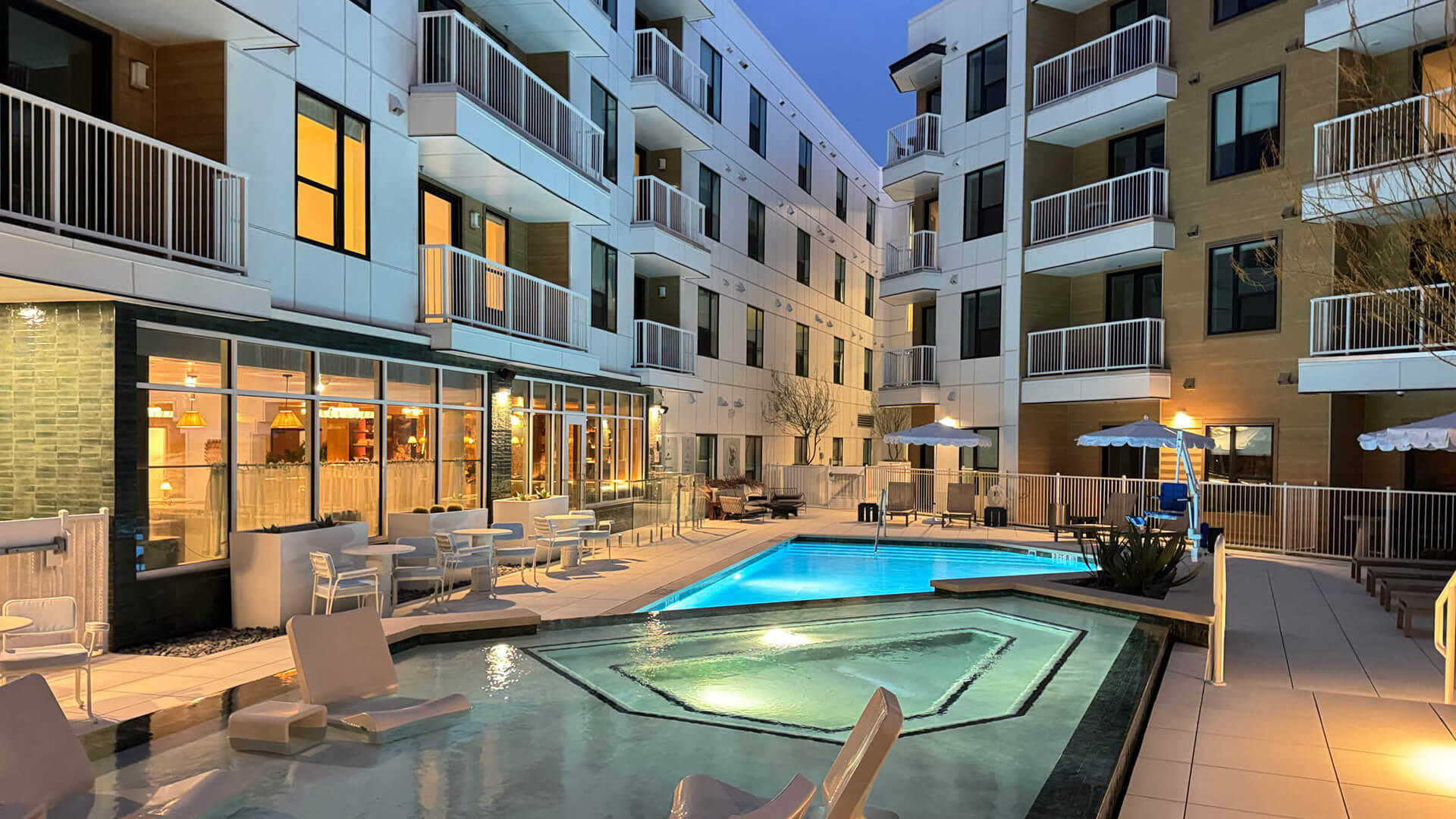
Why Hotel-Condos Are Gaining Attention
The early short-term rental boom was built around individual ownership and self-management.
Buy a house. Furnish it. List it online. Manage bookings. Coordinate cleaners. Handle maintenance calls. Navigate permits yourself.
For a period of time, that model worked.
Today, many investors are looking for something more structured.
The next phase of hospitality ownership is beginning to look less like a side hustle and more like professionally operated real estate.
The Shift Away From Self-Managed STRs
Across many major cities, short-term rental regulation has tightened significantly. Austin is no exception.
New STR permits are increasingly difficult to obtain in many neighborhoods, and enforcement is accelerating in 2026.
At the same time, operating a successful STR has become more operationally intensive:
- Dynamic pricing management
- Multi-platform booking optimization
- Guest communication
- Cleaning coordination
- Maintenance response
- Compliance oversight
- Furnishing and replacement reserves
For many investors, passive income stopped feeling passive.
Enter the Hotel-Condo Model
The hotel-condo structure separates ownership from operations.
At The Code, buyers purchase deeded condominium residences while the property itself operates under a hotel model managed by AvantStay.
That includes:
- Front desk and guest services
- Housekeeping
- OTA distribution channels
- Revenue management
- Maintenance coordination
- Booking operations
- Hotel-style amenities
Instead of managing a short-term rental personally, owners participate in a professionally operated hospitality ecosystem.
The concept is closer to owning a hotel room than owning a standalone Airbnb.
Why Investors Are Paying Attention
The appeal is not simply convenience.
It is structure.
The Code’s investment model includes:
- Building-level hotel entitlement rather than individual STR permitting
- Room rotation systems designed to balance wear and revenue among same-type units
- Real-time owner reporting portals
- Monthly owner distributions
For many buyers, the value is less about chasing speculative upside and more about reducing operational friction and regulatory exposure.
Hospitality Without Building an Operating Company
Traditional STR ownership often requires investors to effectively become operators themselves.
That includes:
- Staffing vendors
- Managing guest issues
- Monitoring pricing
- Handling turnover logistics
- Navigating changing city rules
Hotel-condo ownership creates separation between the real estate investment and the operational business.
The investor owns the real estate. The hospitality operator runs the platform.
That distinction may become increasingly important as cities continue tightening regulations and guests continue expecting hotel-level consistency.
The Future May Favor Professionalization
The STR industry is maturing.
In many markets, the next winners may not simply be the most unique homes or the cheapest listings. They may be professionally managed assets operating within compliant hospitality frameworks.
The Code reflects that broader shift:
- Furnished residences
- Hotel-level operations
- Walkable urban location
- Shared amenities
- Centralized management
- Hospitality infrastructure already in place
For investors who still believe in the long-term strength of Austin tourism and flexible-use real estate, the question increasingly becomes operational.
Not whether short-term rental demand exists.
Who is best positioned to manage it at scale.
